Why Texas Quilters Rely on These Popular Sewing Machines
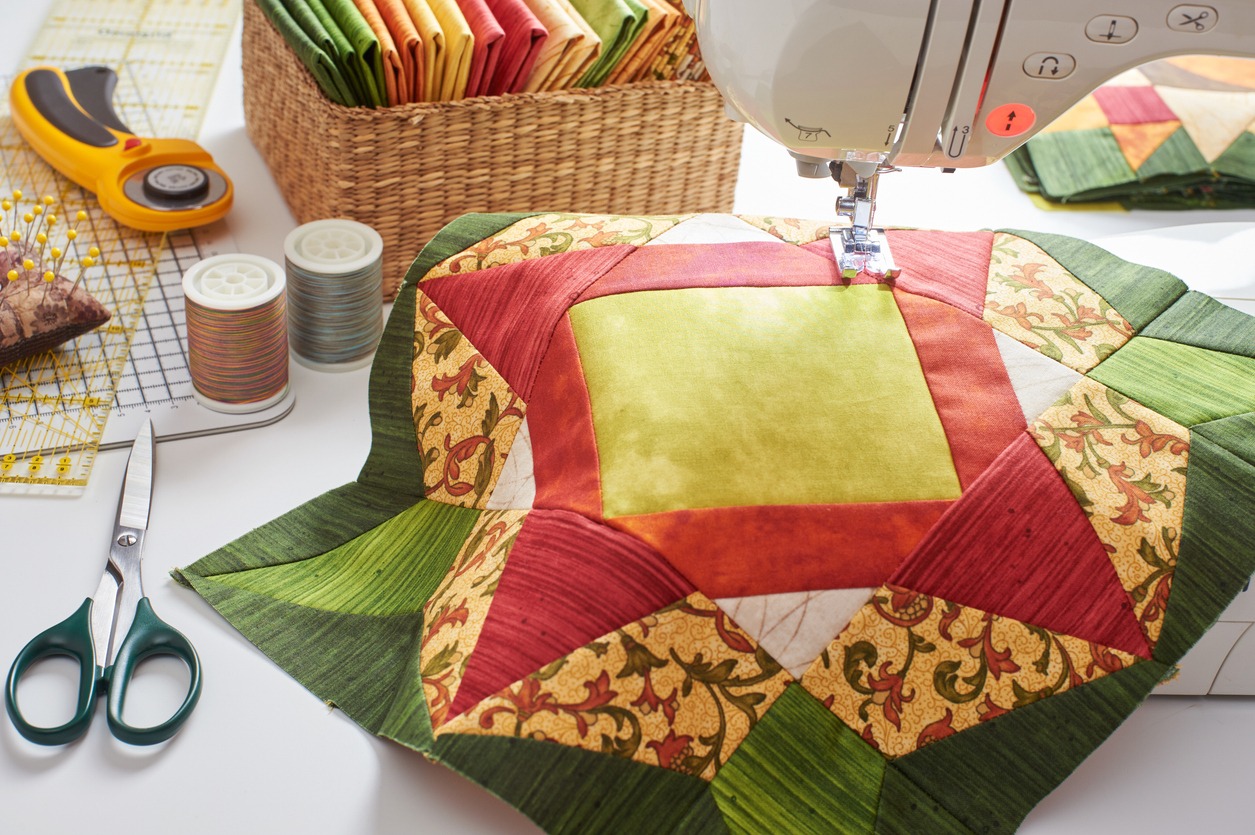
Texas quilters rely on brands like Janome, Juki, Brother, and Husqvarna Viking for their exceptional stitch quality and spacious work areas. You'll want at least 10 inches of throat space, specialized feet, and precision controls to tackle serious quilting projects.
The best machines offer features like needle up/down buttons, optional stitch-regulation systems on compatible models, and extension tables to handle bulky quilts. Discover which models balance premium performance with dealer support across the Lone Star State.
It all starts with the fabric—this quick note on why cotton is Texas’s official state fiber explains why so many locals stick to breathable natural fibers for piecing and batting.
The Top 6 Sewing Machine Brands Texas Quilters Trust
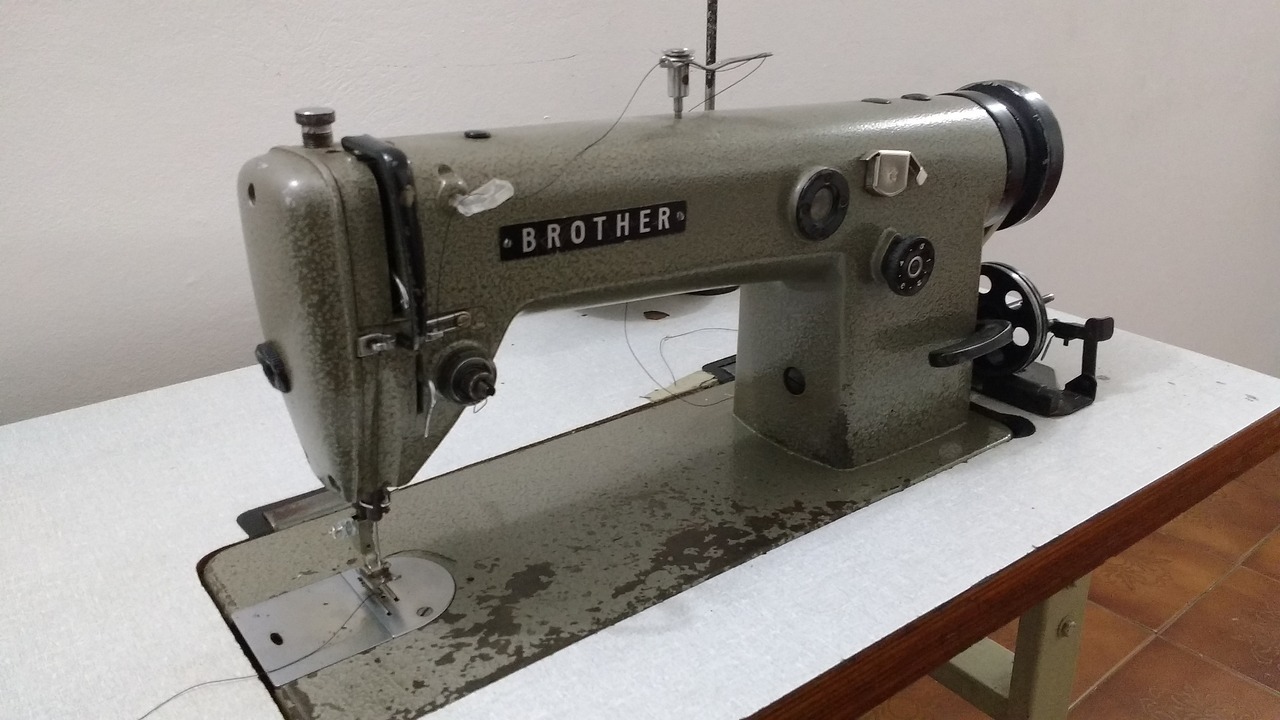
When selecting a sewing machine for quilting projects, Texas quilters consistently turn to several trusted brands that deliver on performance and reliability. Janome earns praise for exceptional stitch quality and workspace, particularly with models like the 6600 and Horizon series. Juki’s industrial-strength machines offer high-speed precision that serious quilters appreciate.
Brother provides feature-rich options with strong dealer support across Texas, building quilting community reputation through accessibility. Husqvarna Viking stands out for advanced technology and sensor-based features ideal for free-motion work.
Handi Quilter specializes in USA-made longarm and sit-down quilting machines with proprietary technology. PFAFF joins these popular brands—founded in 1862 and now part of SVP Worldwide—known for its IDT™ dual-feed system that has established its reputation for quality and service in the Texas quilting community.
These brands excel in machine versatility for diverse projects, whether you're crafting intricate patterns at home or participating in quilting retreats throughout the Lone Star State.
Essential Features for Serious Quilting Projects
Selecting the right brand is just the starting point—serious quilting projects demand specific machine capabilities to transform your Texas-sized quilting ambitions into reality. Look for precision stitch control features like needle up/down and stitch-regulation (where available) that maintain consistency even during complex free-motion designs.
Your workspace matters greatly—machines with at least 10" of throat space and extension tables will accommodate bulky quilts without frustration. Using a machine with adequate throat space prevents wrestling with fabric and reduces back strain during long quilting sessions. Specialized feet, particularly the ¼" piecing foot and walking foot, help layers move evenly without shifting.
Don't overlook thread management—large-capacity bobbins and automatic thread cutters save precious time during marathon quilting sessions. Advanced stitching customization options let you personalize every project, while dual-feed systems provide superior control when working with multiple layers.
Workspace Matters: Finding the Right Machine for Large Quilts
View this post on Instagram
Anyone can find an excellent quilting machine without breaking the bank. Models like the Brother CS7000X and Janome 3160QDC offer entry-level upgrades that deliver professional results at affordable prices. The Brother PQ1500SL, sometimes available used near $600, provides the throat space and stitch consistency needed for complex projects. Experienced quilters particularly value this model for its exceptional free-motion quilting capabilities. Look for machines with adjustable speed control and drop feed dogs—essential features that don't necessarily increase price points. The substantial investment in a premium quilting machine pays dividends through exceptional performance and longevity. Top-tier machines—many with metal frames and multi-point inspections—operate faster and stronger than standard sewing equipment, and many longarm systems are designed and built in the USA. You'll appreciate the long-term cost savings these workhorses provide. With metal frames and high-quality components, they withstand heavy use while requiring less maintenance. Features like programmable stitching, automatic threading, and advanced tension control make complex projects more manageable. Retailer knowledge guarantees you'll select the perfect machine for your specific quilting needs. Many dealers offer free lifetime lessons, helping you master your machine's capabilities. Plus, robust warranties and nationwide support networks protect your investment, while trade-in programs provide upgrade paths as your skills advance. Stitchin’ Heaven offers a variety of Handi Quilter machines that are perfect for serious quilters. Texas quilters find substantial advantages when purchasing from local sewing machine dealers rather than big-box retailers or online stores. Building relationships with dealers who've established strong reputations in your community provides personalized support throughout your quilting journey. Dealer service quality directly impacts your experience, with quick repairs and maintenance keeping your projects on track. Immediate access to parts, accessories, and repairs eliminates frustrating shipping delays. Local shops in Plano and across DFW offer specialized expertise for quilters of all levels. Hands-on demonstrations and personalized machine fittings guarantee you'll get exactly what suits your quilting style. Dealer-sponsored events connect you with fellow quilters while strengthening the Texas quilting community. You'll often find the total cost of ownership decreases when factoring in bundled deals, free maintenance, and the value of face-to-face troubleshooting that online retailers simply can't match. Quilting adventures extend beyond your home studio when you're an active member of Texas' vibrant quilting community. When selecting a machine for guild events, prioritize models under 15 pounds with built-in handles that won't strain your shoulders during transport. Look for machines offering flexibility in transportation through lightweight designs and reliable power access—a compact power strip and long extension cord prove invaluable at retreats with limited outlets. Retractable cords and protective cases prevent damage while shuttling between locations. The ideal portable machine balances size with functionality, featuring removable extension tables and essential quilting stitches without unnecessary bulk. Many quilters find that machines with simple interfaces are easier to use when participating in Zoom meetups with their guild for virtual sewing sessions. Machines like the PFAFF Passport 3.0 earn praise from quilters for their adaptability to varied venues. Durable construction withstands frequent travel while maintaining performance, ensuring you'll always be ready to participate fully in community quilting experiences. When evaluating sewing machines for quilting projects, stitch quality becomes the defining factor that separates good results from exceptional ones. The Grace Q’Nique mid/longarm models offer impressive accuracy with regulation technology that maintains uniform stitches at speeds up to around 2,000 spm. The Janome 3160QOV's 60 stitch varieties and customizable settings provide creative flexibility that's hard to match. Meanwhile, the Brother PQ1500SL delivers consistent formation even on thick layers. For precision work, the Juki TL-2010Q excels with straight-stitch perfection. The Singer Quantum Stylist 9960's computerized settings help keep your stitches consistent across different fabrics. Many professional quilters appreciate machines with extension tables for easier maneuvering of large-scale projects. When comparing these models, consider how each machine's stitch performance aligns with your specific quilting style and project requirements. How well you maintain your sewing machine directly impacts its performance and longevity. Regular cleaning prevents common issues while proper lubrication guarantees smooth operation, minimizing repair costs over time. Texas quilters know that consistent maintenance prevents frustrating breakdowns during important projects. Remove lint from feed dogs and under the bobbin case after every project—never blow air into the machine as this pushes debris deeper. Replace needles every 8–10 hours of sewing and always use the correct type for your fabric to prevent skipped stitches. Follow your machine’s manual for oiling points—some modern machines are self-lubricating, while others need a drop at the hook area after regular intervals; run the machine briefly afterward to distribute lubrication. Using a stiff-bristled brush to clean around the hook assembly and under the needle plate is essential for removing accumulated lint. When troubleshooting common issues, check your maintenance routine first—many problems stem from neglected cleaning or improper needle installation.Budget-Friendly Options Without Sacrificing Quality
Premium Machines Worth the Investment
Why Local Dealers Make a Difference for Texas Quilters
Portability Considerations for Guild Meetings and Retreats
Technology That Enhances Quilting Precision
Comparing Stitch Quality Across Popular Models
Maintenance Tips to Extend Your Machine's Lifespan