
How Nostalgic Fashion Trends Inspire Modern Sewing Projects
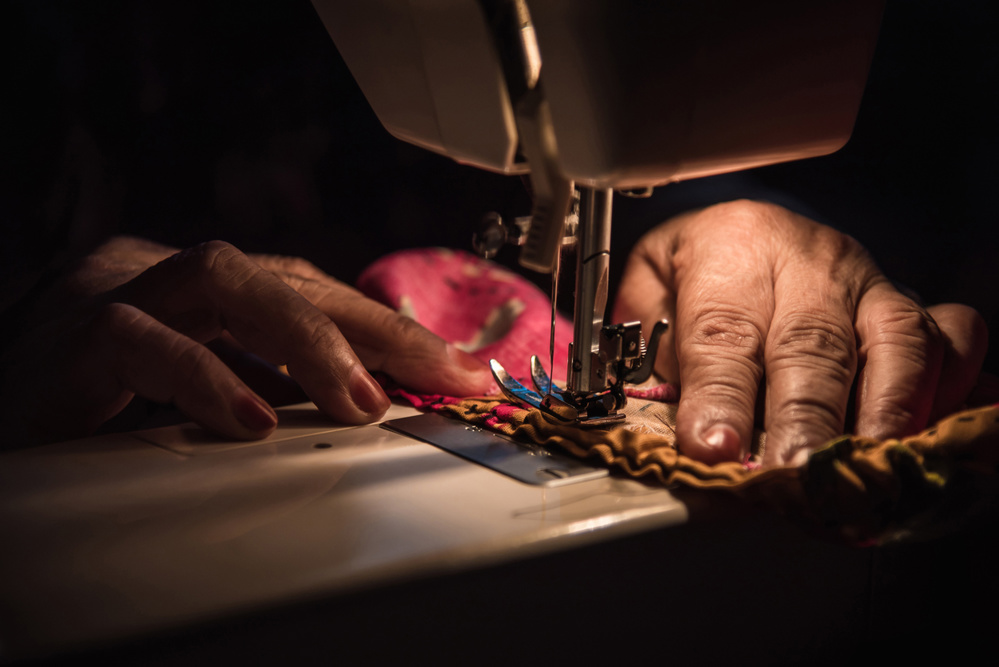
Nostalgic fashion has become one of the biggest creative influences on modern sewing. From the return of 1970s bohemian dresses and 1990s minimalist tailoring to Regency-inspired sleeves, sewists are finding fresh inspiration in styles from the past. Rather than copying vintage garments exactly, today's makers reinterpret classic silhouettes with modern fabrics, updated fits, and practical details that suit contemporary lifestyles.
The revival has been fueled by more than fashion alone. Television shows, social media creators, sustainability movements, and online sewing communities have encouraged people to explore handmade clothing as a creative alternative to fast fashion. Sewing allows makers to celebrate history while creating garments that reflect their own personalities, making nostalgia not just a trend but an ongoing source of artistic inspiration.
What Makes Retro Sewing So Irresistible Right Now?
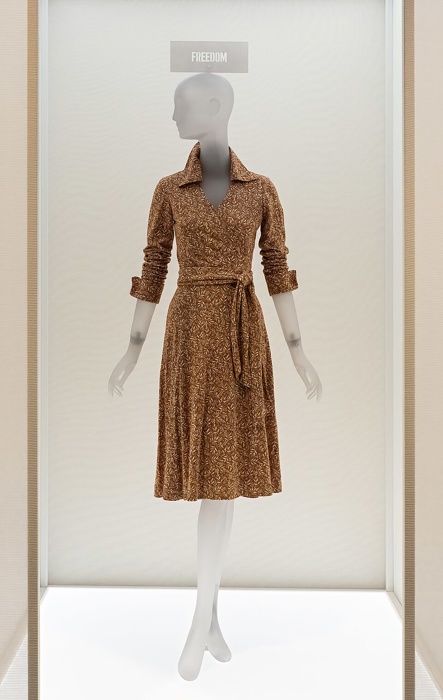
Retro sewing appeals to people because it combines creativity with a meaningful connection to fashion history. Recreating a wrap dress from the 1970s or a blouse inspired by Victorian fashion allows sewists to appreciate the craftsmanship of earlier eras while adapting those ideas for modern wardrobes. Every project becomes both a learning experience and a personal expression of style.
The emotional side of nostalgia also plays a major role. Some makers recreate clothing they remember from childhood, while others are inspired by decades they never experienced firsthand but have come to admire through films, photography, and vintage magazines. Sewing transforms admiration into participation, allowing people to wear history instead of simply observing it.
Materials contribute just as much as silhouettes. Linen, velvet, bouclé, cotton, and lace all carry strong associations with particular decades and design movements. Choosing fabrics carefully helps handmade garments capture the feeling of a specific era while remaining comfortable and functional for everyday wear.
The Vintage Eras Dominating Modern Sewing Trends
Although inspiration comes from many periods of fashion history, a handful of decades continue to dominate modern sewing projects. The 1970s remain popular for flowing maxi dresses, wrap dresses, flared trousers, and relaxed bohemian silhouettes that balance comfort with timeless style. Their easy construction also makes them approachable for sewists with varying levels of experience.
The 1980s contribute structured shoulders, dramatic sleeves, bold jackets, and tailored garments that emphasize confident shapes. Meanwhile, the clean lines and minimalist styling of the 1990s have returned through slip dresses, simple skirts, oversized blazers, and practical separates that integrate easily into contemporary wardrobes. Each decade offers distinctive techniques and construction details that continue inspiring modern makers.
Historical fashion reaches even further back. Regency-inspired empire waists, Victorian puff sleeves, Edwardian lacework, and mid-century full skirts regularly appear in sewing patterns today. Rather than treating these influences as costumes, many sewists blend elements from several decades to create garments that feel both nostalgic and original.
Which Retro Style Actually Suits Your Body and Life?
Finding inspiration from vintage fashion is exciting, but choosing styles that complement your lifestyle is just as important as selecting the right decade. A beautifully constructed garment becomes much more valuable when it fits comfortably, reflects your personality, and works with your daily routine. Rather than chasing every nostalgic trend, experienced sewists often begin by identifying silhouettes they know they'll enjoy wearing regularly.
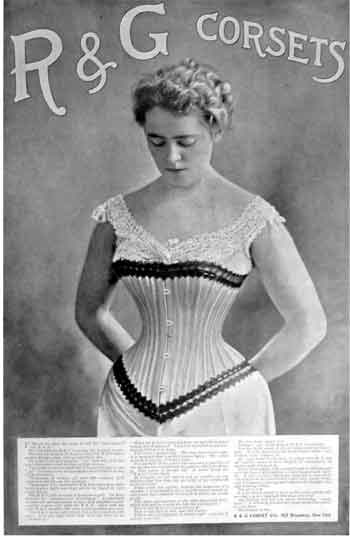
Wrap dresses, high-waisted trousers, A-line skirts, and relaxed shirt dresses remain popular because they flatter a wide range of body types while adapting easily to modern wardrobes. More dramatic historical elements—such as oversized puff sleeves or structured corset-inspired bodices—can still be incorporated, but often in moderation to balance practicality with visual impact.
The best retro-inspired projects combine historical influence with contemporary functionality. By choosing garments that suit both your proportions and your everyday activities, you create handmade clothing that celebrates vintage fashion while becoming a lasting part of your personal wardrobe rather than a piece reserved only for special occasions.
How to Match Vintage Silhouettes to Your Modern Wardrobe
Incorporating vintage-inspired garments into a modern wardrobe doesn't require replacing everything you already own. Instead, focus on pairing one or two nostalgic pieces with contemporary basics to create outfits that feel balanced and wearable. A 1970s wrap dress works beautifully with modern ankle boots, while high-waisted trousers complement simple knit tops, fitted T-shirts, or tailored blazers.
Accessories also help bridge the gap between decades. A vintage-inspired handbag, leather belt, silk scarf, or understated jewelry can reinforce a retro aesthetic without making an outfit feel like a costume. Keeping the accessories relatively simple allows the handmade garment to remain the centerpiece while giving the overall look a polished, contemporary finish.
Color coordination plays an important role as well. Earthy browns, mustard yellows, olive greens, and burnt oranges naturally complement many 1970s-inspired garments, while monochrome palettes pair well with minimalist styles from the 1990s. Learning how different eras use color helps sewists combine old and new influences with confidence, creating outfits that feel intentional rather than overly themed.
Retro Sewing Techniques Every Modern Sewist Should Know
Vintage-inspired projects offer an excellent opportunity to develop sewing skills that remain valuable regardless of changing fashion trends. Many historical garments relied on construction techniques that emphasized durability, clean finishing, and careful attention to detail. Learning these methods strengthens craftsmanship while producing garments that often last much longer than mass-produced clothing.
Several classic techniques continue to serve modern sewists exceptionally well:
- French seams create enclosed finishes that prevent fraying while giving garments a professional interior.
- Flat-felled seams provide exceptional strength for shirts, jackets, and workwear-inspired projects.
- Hand-stitched trims allow precise placement of lace, ribbon, piping, and decorative details.
- Sew-in interfacing recreates the structured appearance commonly found in many vintage garments.
Mastering these techniques improves much more than historical recreations. They build precision, patience, and confidence that carry over into every future sewing project, whether you're making modern clothing, quilting, or home décor.
Best Fabrics for Nailing an Authentic Vintage Look
Fabric selection is just as important as choosing the right pattern. Even an accurate vintage silhouette can lose its historical character if it's made from materials that don't reflect the period you're trying to recreate. Understanding how fabrics drape, stretch, and wear helps bring nostalgic designs to life while maintaining comfort for modern use.
Natural fibers remain popular because they closely resemble the textiles used in many historical garments. Linen produces relaxed silhouettes perfect for 1970s-inspired dresses and summer clothing, while cotton offers versatility across countless vintage styles. Velvet creates luxurious evening garments, bouclé adds texture to tailored jackets, and wool blends provide structure for coats and skirts inspired by mid-century fashion.
Modern fabrics also have their advantages. Blends containing small amounts of stretch can improve comfort without dramatically changing a garment's appearance. By combining historically inspired materials with contemporary textile technology, sewists create clothing that captures vintage charm while meeting today's expectations for durability and wearability.
How Social Media Revived DIY Fashion
Social media has transformed sewing from a relatively solitary hobby into a global creative movement. Platforms such as TikTok, Instagram, Pinterest, and YouTube have introduced millions of people to sewing tutorials, pattern reviews, thrift-store transformations, and fabric recommendations. Many of today's makers are also inspired by fashion trends that defined the 2010s, adapting those recognizable styles into handmade garments with a modern, personalized twist.
Short-form videos have been especially influential. Many sewists document entire garment-making processes—from selecting fabric and cutting patterns to fitting and final stitching—in just a few minutes. These videos inspire beginners by showing that complex projects can be approached one step at a time while encouraging experienced makers to experiment with unfamiliar techniques or historical styles.
Social media has also fueled the popularity of aesthetics like cottagecore, dark academia, vintage glamour, and Y2K fashion. As these trends circulate online, sewists reinterpret them through handmade clothing, often combining influences from several decades into designs that feel fresh and personal. The result is a constantly evolving DIY fashion culture that celebrates both individual creativity and shared inspiration.
How to Upcycle Thrift Store Finds Into Retro Pieces
Thrift stores are treasure troves for retro upcycling projects, and knowing what to look for makes all the difference. Train your eye to spot quality fabrics, interesting silhouettes, and unique details worth saving.
Once you've found your pieces, try these four approaches:
- Pattern reconstruction — disassemble garments and recut them into new silhouettes using vintage patterns.
- Upcycled embellishments — repurpose buttons, zippers, and trim from worn pieces onto fresh garments.
- Visible mending — add patchwork or decorative stitching to damaged areas for a personalized touch.
- Combining pieces — merge two thrifted items into one cohesive, retro-inspired design.
These techniques stretch your creativity while keeping costs low. You're not just sewing — you're actively preserving fashion history through thoughtful, resourceful reconstruction.
Nostalgic Retro Sewing Styles Worth Making This Season
Every sewing season brings fresh inspiration, but some retro styles continue returning because they're both fashionable and practical. Wrap dresses, A-line skirts, tailored trousers, and oversized button-down shirts remain popular projects because they blend timeless silhouettes with everyday versatility. Cottagecore-inspired dresses featuring puff sleeves, gathered waists, and delicate embroidery also continue attracting sewists looking for romantic, handmade pieces.
For cooler months, vintage-style cardigans, structured jackets, and wool skirts provide excellent opportunities to experiment with layering while refining tailoring skills. During warmer seasons, lightweight linen dresses, sailor-inspired tops, and relaxed wide-leg trousers offer comfortable options that echo classic designs without feeling outdated.
The beauty of retro sewing is that it encourages personal interpretation. You might borrow a neckline from the 1950s, sleeves from the Victorian era, and the relaxed fit of the 1970s to create something entirely original. Combining influences thoughtfully allows every handmade garment to reflect both historical inspiration and modern individuality.
Retro Sewing Communities Where Vintage Fans Gather
One of the greatest strengths of today's sewing revival is the community that surrounds it. Online forums, local sewing groups, fabric stores, and maker spaces give enthusiasts opportunities to exchange ideas, recommend patterns, solve fitting problems, and celebrate finished projects together. These communities often become valuable sources of encouragement for beginners and experienced sewists alike.
Digital platforms have expanded those opportunities even further. Facebook groups, Reddit communities, Discord servers, and online sewing clubs regularly organize pattern challenges, themed sewing events, and collaborative projects inspired by different fashion eras. Members frequently share fabric recommendations, historical research, construction tips, and alteration advice that help others improve their skills.
These communities also encourage creativity rather than competition. Whether someone is recreating a Regency-inspired gown, sewing a 1990s-inspired capsule wardrobe, or restoring a vintage jacket, fellow makers celebrate progress at every skill level. That supportive environment keeps many people inspired to continue learning and experimenting with new techniques.
Where Retro Sewing Is Headed Next
Retro sewing continues evolving alongside fashion itself. While classic silhouettes remain popular, modern makers increasingly combine historical inspiration with contemporary tailoring, performance fabrics, and digital design tools. Instead of recreating garments exactly as they appeared decades ago, sewists reinterpret vintage ideas to suit today's lifestyles and personal tastes.
Technology is helping preserve traditional craftsmanship as well. Digital pattern marketplaces, online fitting tutorials, virtual sewing classes, and historical fashion archives make techniques that were once difficult to learn available to anyone with an internet connection. At the same time, interest in handmade craftsmanship continues growing as people seek creative hobbies that balance increasingly digital lives.
Future trends will likely continue blending nostalgia with innovation. Historical fashion will remain an endless source of inspiration, while modern materials, inclusive sizing, and sustainable practices ensure vintage-inspired sewing remains accessible to an even wider community of makers.
Conclusion
Nostalgic fashion trends continue inspiring modern sewing because they offer much more than beautiful clothing. They connect makers with fashion history, encourage creativity, develop valuable sewing skills, and provide opportunities to create garments that feel deeply personal.
By blending vintage silhouettes with contemporary fabrics, practical construction methods, and individual style, sewists transform historical inspiration into clothing designed for modern life. As film, television, social media, and sustainable fashion continue shaping the way people dress, retro sewing remains an exciting way to participate in those cultural conversations while creating something unique by hand.


