
Stitching for the Great Outdoors: Sewing Gear for Quilt Retreats
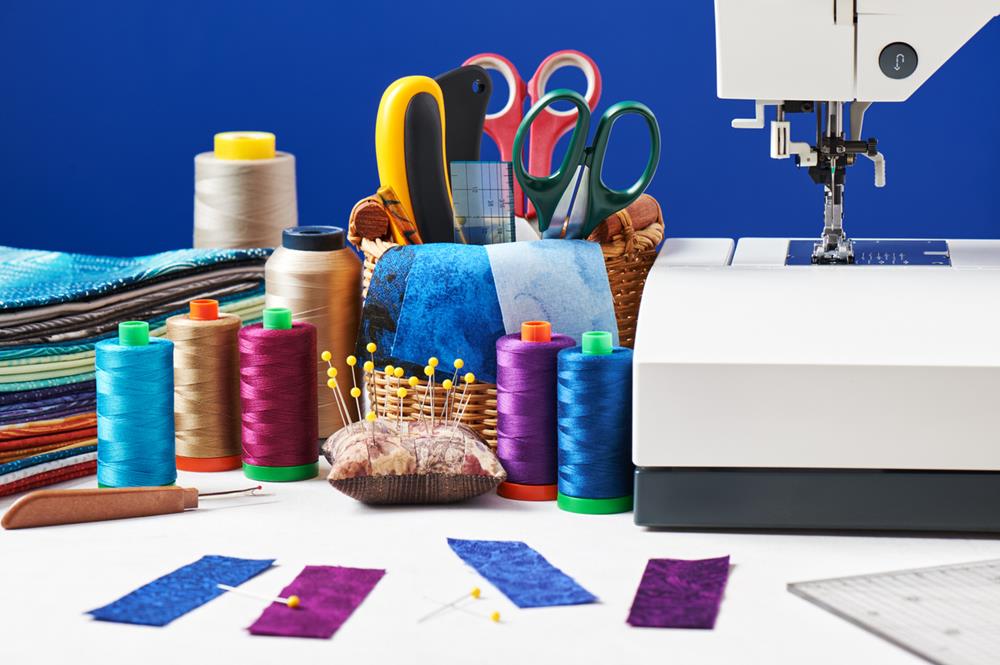
For outdoor quilt retreats, prioritize a lightweight sewing machine you can carry comfortably (often 10–15 lbs), a cutting surface at 36-inch counter height, and weather-resistant storage bins. Pack LED lighting in the 5000K–6500K range with 90+ CRI, an ergonomic chair with lumbar support, and portable power options. Don't forget silica gel packets for moisture control and clear organizers for notions.
These essentials balance portability with functionality, so you can create beautiful quilts wherever your crafting takes you.
Essential Sewing Machine Considerations for Outdoor Retreats
https://www.youtube.com/watch?v=8R6thodVlso
When planning a quilt retreat, picking the right machine can make or break your experience. Opt for portable, reliable models that emphasize consistent straight/zigzag stitches over huge decorative libraries; piecing accuracy matters more than stitch count. Keep weight low for easy transport, and pack a hard case or padded tote to protect the machine in transit.
Favor machines with simple top-loading bobbins, easy threading, and a stable metal needle plate. Bring a surge protector, extra needles, bobbins, and a spare foot pedal cord to handle venue power quirks. If outlets are limited, a compact power strip with USB can help manage lamps and devices.
Durability wins outdoors: easy access for lint removal, a basic toolkit (small screwdriver/brush), and a quarter-inch piecing foot will save time and frustration during long sewing sessions away from home.
Creating a Portable Cutting and Pressing Station
Retreat spaces are unfamiliar, so design a station that protects your back and speeds workflow. Aim for a 36-inch working height to reduce strain, with a folding table (4–6 ft) and a 24×36 in. cutting mat as a practical footprint.
Choose tables with collapsible legs and add a heat-resistant pressing mat or small board so you can cut and press without moving rooms. Segment storage for rotary cutters, rulers, and shears, and use a slim cart or tote that parks under the table.
If you'll move between rooms, add locking casters or choose a lightweight table you can carry. A flatbed insert (or extension table) that keeps your machine level with the work surface reduces fatigue during long chain-piecing runs.
Weather-Proof Storage Solutions for Fabrics and Notions
Outdoor or semi-outdoor venues mean moisture, dust, and insects. Use gasket-lidded plastic bins or vinyl containers to shield fabric and batting. For notions, pick clear, snap-lid organizers and small hard cases with foam for sharps.
Rolling, water-resistant utility carts or collapsible cubes add mobility without sacrificing protection. Tuck silica gel packets inside bins, choose UV-resistant plastics to minimize fading, and keep fabric in breathable cotton bags inside the waterproof tote.
Inspect bins for cracks, dry items thoroughly before packing, and keep irons, starch, and sprays upright in a leak-proof pouch so your fabric stays clean and dry.
Lighting Options for Natural and Evening Sewing Sessions
Your eyes need the right light to keep colors true and seams straight. Pack LED task lights (clamp-on or gooseneck) that run cool and deliver 5000K–6500K daylight with CRI 90+ for accurate fabric matching. Combine natural daylight with portable lamps aimed across your work (not directly into your eyes). For evenings, pair an overhead area light with a focused task lamp at the machine to eliminate shadows on the needle and ruler.
Where outlets are scarce, bring battery-powered or USB-rechargeable lamps and a small power bank. A compact, fold-flat light panel saves space and keeps your station bright from sunrise to late-night binding.
Power Supply Strategies for Remote Quilting Locations
Reliable power is essential. Match your machine's wattage to a portable battery station (or inverter) for short sessions, and bring the correct voltage cable. For longer retreats, a quiet inverter generator can help—position it outdoors, downwind, and well away from tents/cabins to prevent CO exposure. Protect gear with a surge protector (around 2000+ joules) and consider a small UPS to safely finish a seam during sudden outages.
If you prefer sustainable options, pair folding solar panels with a charge-controller and battery pack. Always pack spare cables/adapters and label them so you can troubleshoot quickly.
If you're booking a Texas state park with hookups, look for sites with water and electricity to simplify your setup.
Ergonomic Seating and Table Setups for Outdoor Comfort
Comfort sustains productivity. Bring a chair with adjustable lumbar, a breathable seat, and, if possible, height adjustment. Lightweight tables with adjustable legs help on uneven ground, and a compact footrest improves posture for marathon piecing.
Position your station under a canopy or shade sail to reduce glare and heat. Waterproof covers keep cushions and machines safe during pop-up showers. Shade matters—day-use pavilions can double as covered cutting/pressing space when weather shifts.
If you rely on height changes for cutting vs. sewing, consider a collapsible riser or an adjustable table; small anti-fatigue mats lessen leg and back strain during pressing marathons.
Pre-Retreat Project Planning and Preparation
Success starts at home. Build a project list that fits the retreat's length and your energy—kit projects with pre-cut pieces and labeled baggies to limit decision fatigue.
Mix complex work (that needs focus time) with simple, social sewing for group sessions. Decide whether you'll tackle WIPs, start a fresh top, or dedicate time to binding and labels.
Make a master checklist for notions (seam ripper, snips, pins/clips, marking tools), instructions, and backing/batting sizes. This prep turns retreat hours into satisfying finish time, not searching time.
Must-Have Tools for the Mobile Quilter's Kit
Pack a rotary cutter with fresh blades, a compact ruler set (e.g., 6″×12″ and a square), and thread snips. Bent-tip tweezers double as placement tools; binding clips travel better than pins and won't distort fabric.
Portable pressing aids—wool mat, mini iron, and a clapper—deliver crisp seams without bulky gear. Add non-slip grips to rulers for accuracy on the go.
Round it out with neutral thread, spare needles (80/12, 90/14), blue/purple washable markers, and a compact seam gauge. A small, zippered pouch keeps these essentials together and ready.
Balancing Minimalism and Functionality in Retreat Packing
View this post on Instagram
The art of retreat packing is carrying what you'll use—and nothing you won't. Choose multi-taskers: rulers that cover common cuts, neutral threads that match many palettes, and scissors that handle both fabric and thread.
Pre-wind bobbins for each project, and bundle pieces by step to maximize sewing time. Prioritize basics (seam ripper, snips, Wonder Clips, mini iron) over one-purpose gadgets.
Pack in stages with a custom checklist, staging gear near the door and doing a final weight/fit check for easy loading. This calm, methodical approach keeps your kit lean but complete.
Conclusion
You're ready to take your quilting outdoors. By selecting portable gear, planning projects, and preparing for weather and power, you'll build a functional retreat setup anywhere. Find that sweet spot between minimal and prepared, stay comfortable, and you'll make beautiful memories—right alongside your beautiful quilts—at your next retreat.


